April 27, 2026
Over the past six years, global supply chains have faced a series of unprecedented disruptions. From the COVID-19 pandemic to geopolitical conflicts and sudden trade policy shifts, these events have exposed vulnerabilities in even the most advanced logistics networks.
In each case, time-critical logistics has emerged as a vital tool for companies seeking to maintain continuity, avoid costly delays, and adapt to rapidly changing conditions. Also known as urgent freight, expedited shipping, or emergency logistics, time-critical logistics is built for high-priority, time-sensitive shipments where hours—not days—matter.
Time-critical logistics services include Next Flight Out (NFO), air charters, on-board couriers, and hot shot trucking. Depending on the lane and urgency, people may also describe these solutions as emergency air freight, expedited freight, premium freight, or same-day delivery.
These services move urgent shipments with speed and precision. They are no longer considered optional or niche. Instead, supply chain leaders now recognize them as essential components of a resilient and agile supply chain strategy.
 The COVID-19 pandemic in 2020 disrupted global supply chains on an unprecedented scale. Lockdowns, factory closures, and grounded passenger flights created severe bottlenecks. At the same time, demand for personal protective equipment (PPE), medical devices, and essential goods surged—putting intense pressure on PPE logistics and the medical supply chain.
Time-critical logistics played a central role in bridging the gap between supply and demand. With commercial air capacity limited, companies turned to air charters and NFO services to move critical cargo. One notable example was the partnership between Crane Worldwide Logistics and the Houston Astros Foundation.
In April 2020, they delivered 2.7 million face masks to Houston hospitals within a single week. They scheduled delivery of an additional 8 million masks over the following two weeks. Crane coordinated these shipments through its global network, using chartered aircraft and continuous operations to ensure timely delivery.
The team also deployed on-board couriers to hand-carry sensitive items such as medical samples and specialized components, including critical spares needed to keep operations running. For domestic and regional needs, hot shot trucking enabled rapid ground transport, helping to replenish depleted inventories and support healthcare providers.
Companies that had pre-existing relationships with time-critical logistics providers were able to act quickly. They secured capacity, navigated customs challenges, and ensured that essential goods reached their destinations without delay.
In March 2021, the grounding of the Ever Given in the Suez Canal halted approximately 12 percent of global trade. The blockage lasted six days and delayed an estimated 369 vessels. The financial impact was significant, with nearly 10 billion dollars in goods held up each day. The incident quickly became a case study in supply chain disruption, port congestion, and the need for agile freight forwarding strategies.
Time-critical logistics provided a way forward. Companies with urgent shipments shifted from ocean to expedited air transport. Some converted sea shipments to air, while others used sea-air combinations and other multimodal shipping options. For example, teams offloaded cargo at alternate ports and flew it to final destinations, reducing transit times and avoiding further delays.
These solutions required rapid coordination and access to scarce capacity. Time-critical providers helped clients secure space on freighters, arrange customs clearance, and manage last-mile delivery. Their ability to act quickly and creatively helped companies avoid production stoppages and meet customer commitments.
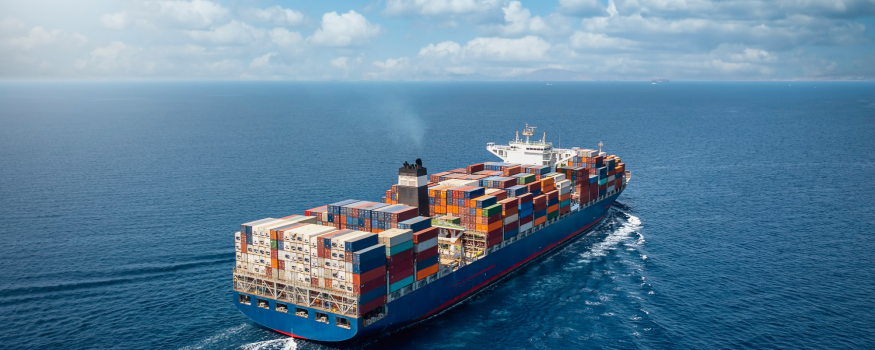
On April 2, 2025, the U.S. government announced sweeping tariffs under the “Liberation Day” initiative. The government imposed tariffs on all imports, with additional rates up to 50 percent for certain countries, within days. The announcement triggered a surge in demand for expedited logistics as companies rushed to import goods before the tariffs took effect.
Air cargo played a central role. In the first quarter of 2025, U.S. imports by air rose by 157 billion dollars, a 26 percent year-over-year increase. Companies converted ocean shipments to air, chartered freighters, and relied on Next Flight Out (NFO) services to beat the tariff deadlines. Time-critical logistics providers helped secure capacity, manage customs clearance, and ensure timely delivery.
Beyond the initial rush, time-critical logistics supported longer-term adjustments. Companies restructured supply chains, shifted sourcing to lower-tariff regions, and used expedited services to maintain inventory flow during the transition. Crane Worldwide’s Tariff Response Unit provided clients with strategic guidance, supporting trade compliance, customs brokerage coordination, and tariff mitigation planning as they navigated the evolving trade landscape.
In early 2026, a military conflict in the Middle East led to the closure of the Strait of Hormuz. This vital maritime corridor typically handles about 25 percent of the world’s seaborne oil and a significant share of container traffic. The closure stranded over 150 container ships and disrupted both ocean and air logistics.
Time-critical logistics providers responded with agility. They implemented sea-air solutions, rerouting cargo through Southeast Asia or East Africa and flying it to Europe or North America. We arranged dedicated air charters to move critical goods, and we repositioned emergency stock to buffer against supply gaps. In a volatile geopolitical risk environment, this type of contingency planning and alternate routing can be the difference between continuity and shutdown.
Crane Worldwide’s global control towers in Atlanta, Frankfurt, Hong Kong, Mexico City, and Singapore enabled real-time coordination. Their teams provided clients with daily updates, alternative routing options, and rapid execution of contingency plans. This level of responsiveness helped companies avoid shutdowns and maintain service levels despite the conflict.
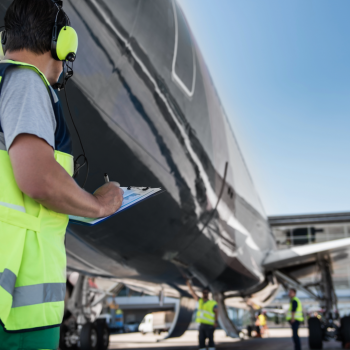 These case studies demonstrate that time-critical logistics is more than a reactive tool. It is a strategic asset that supports business continuity, customer satisfaction, and operational agility.
Common capabilities that support time-critical operations include 24/7 dispatch, shipment tracking and real-time visibility, control tower logistics, dedicated trucking, airport-to-door coordination, customs clearance support, and rapid exception management for high-priority freight.
The past six years have shown that global disruptions are not rare events. Whether caused by pandemics, geopolitical conflicts, or policy shifts, these events can upend supply chains overnight. Time-critical logistics provides the speed, control, and expertise needed to navigate such crises—especially when paired with stronger supply chain visibility and proactive risk planning.
At Crane Worldwide Logistics, we specialize in delivering time-critical solutions that help our clients stay ahead of disruption. As a global 3PL with flexible 4PL-style capabilities, our global control towers operate 24/7, our teams are trained to respond immediately, and our network spans every major region and mode. Whether you need a chartered aircraft, a hand-carried shipment, or a dedicated truck on standby, we are ready to act.
If your business depends on reliability, speed, and the ability to adapt under pressure, we invite you to partner with us. Let’s work together to build a supply chain that is not only resilient but also ready to thrive in any environment.
Contact our Time-Critical Solutions team today to learn how Crane Worldwide Logistics can help you prepare for the unexpected—and deliver when it matters most.
Let one of our client advocates build a solution that fits your logistics needs.

1500 Rankin Road
Houston, TX 77073
+1 888-870-2726
