July 27, 2026
Global Freight Market Update – July 2026
Key Takeaway
Escalating disruptions around the Strait of Hormuz, rising fuel costs, and tightening transportation capacity across multiple modes are increasing operational costs and creating continued volatility for global supply chains heading into August.
Summary
Global freight markets remained under pressure throughout July as geopolitical tensions in the Middle East, fuel price volatility, and transportation capacity constraints impacted air, ocean, and domestic trucking networks. Ocean carriers are preparing additional fuel-related surcharges as disruptions in the Strait of Hormuz continue to affect vessel operations, insurance costs, and bunker fuel pricing. Air freight markets experienced elevated rates and fuel surcharges, compounded by temporary capacity disruptions caused by Typhoon Bavi across Asia Pacific. In the U.S. domestic market, truckload capacity continues to tighten, driving higher contract and spot market pricing while carrier availability remains constrained by ongoing regulatory and driver supply challenges. Looking ahead, shippers should prepare for continued cost volatility, monitor surcharge announcements closely, maintain routing flexibility, and secure capacity early where possible.
International Air Freight News
- The global air freight market remained challenged by Middle East geopolitical tensions, elevated jet fuel prices, and capacity constraints across major trade lanes.
- Typhoon Bavi disrupted Asia Pacific operations during early July, contributing to a 4% week-over-week decline in global air cargo volumes and a 7% reduction in Asia Pacific exports.
- Freight rates continued to rise due to higher fuel surcharges, emergency and war-risk charges, longer flight routings, and strong freighter utilization. Asia-Europe, South Asia-Europe, Asia-Middle East, and Europe-Middle East corridors remain the most impacted.
- Shippers are encouraged to book early, maintain routing flexibility, and closely monitor carrier fuel surcharge adjustments.
Download Air Freight Update
International Ocean Freight News
- Middle East tensions continued to create uncertainty across global supply chains and contributed to higher transportation and fuel costs.
- Ocean carriers are implementing additional fuel-related surcharges as bunker fuel prices remain elevated, and market volatility persists.
- Ongoing network disruptions, longer transit times, congestion, and carrier capacity management measures continue to impact schedule reliability and effective vessel availability.
- U.S. import demand remains supported by continued investment in data centers and AI infrastructure, driving shipments of servers, networking equipment, cooling systems, and power infrastructure.
- Market conditions are closely being monitored as global fleet growth, shifting trade flows, and regional disruptions reshape capacity deployment across major trade lanes.
Download Ocean Freight Update
U.S. Domestic Ground Freight News
- Truckload capacity continues to tighten, with large shippers reporting tender acceptance rates falling into the mid-80% range during holiday and month-end periods, prompting network rebids and higher contract rate expectations.
- Contract truckload pricing is increasingly expected to rise between 5% and 15% year-over-year during 2026 due primarily to capacity and driver availability constraints.
- Spot market rates remain above contract rates. July data showed contract rates up 21% year-over-year while spot rates increased 49% year-over-year.
- Freight shipments remain below prior-year levels, but inventory destocking appears largely complete, supporting expectations for modest shipment growth of 0% to 3% during 2026..
Download Ground Freight Update
Latest Policy & Trade Developments
- New Section 301 Forced Labor Tariffs Effective July 24, 2026: The U.S. implemented new Section 301 tariffs targeting products linked to forced labor concerns, while previously announced Section 122 duties expired. Importers should review sourcing strategies, classification impacts, and landed cost exposure. Read more
- U.S. Finalizes 25% Section 301 Tariff on Certain Brazilian Imports: Effective July 22, 2026, additional duties apply to designated imports from Brazil, potentially increasing costs for importers sourcing affected commodities and manufactured goods. Read more
- New Section 338 Tariffs on Canadian Imports: Beginning August 19, 2026, certain Canadian imports will be subject to a new 50% duty under Section 338. Companies with cross-border North American supply chains should evaluate potential cost impacts and mitigation strategies ahead of implementation. Read more
- Oman Customs Mandates Palletization for Import Cargo: Effective September 2026, Oman Customs will require palletization of import cargo shipments. Shippers moving freight into Oman should review packaging, warehousing, and export preparation procedures to ensure compliance and avoid delays. Read more
As trade policy complexity increases, companies are facing heightened compliance requirements and cost pressures. Crane Worldwide Logistics’ Global Trade Advisory services help organizations navigate evolving tariff frameworks, customs regulations, and duty recovery opportunities. From tariff engineering to compliance strategy and audit support, these solutions enable shippers to mitigate risk, optimize landed cost, and maintain supply chain continuity in a rapidly changing global trade environment.
Solution Spotlight: C-View
In today’s volatile freight environment, visibility across the supply chain is more important than ever. From geopolitical disruptions in the Middle East to capacity constraints, fuel surcharges, weather events, and evolving trade policies, shippers need more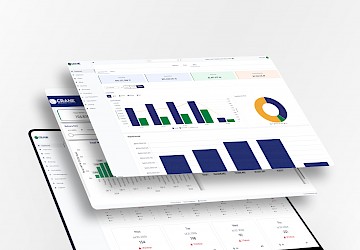 than traditional shipment tracking to make informed decisions. C-View, Crane Worldwide Logistics’ supply chain visibility platform, provides end-to-end visibility by connecting purchase order data, shipments, inventory, and logistics milestones into a single view. This enables organizations to proactively identify potential disruptions, monitor supplier performance, improve inventory management, and make faster decisions based on real-time data. By moving beyond basic track-and-trace functionality, C-View helps businesses increase resilience, enhance planning accuracy, and maintain greater control over their global supply chains.
Learn more about C-View
Did you know? We regularly publish market updates and real time alerts via our Industry Insight newsletter on Linkedin. Sign up to receive regular updates!